
introduction
Your roof is one of the most important parts of your home, protecting everything beneath it from Minnesota’s unpredictable weather. From hailstorms and heavy snow to strong winds and falling tree limbs, roofs endure constant exposure to the elements. When damage occurs, one of the first questions homeowners ask is:
“Will my homeowners insurance cover roof damage?”
The answer depends on several factors, including what caused the damage, the age and condition of your roof, and the specific terms of your insurance policy.
Understanding what homeowners insurance typically covers—and what it doesn’t—can help you make informed decisions after a storm or unexpected event. This guide explains how roof damage claims generally work, what documentation insurers often require, and why routine roof maintenance remains essential for protecting your home.
Understanding Homeowners Insurance Coverage
Most homeowners insurance policies are designed to protect your home against sudden and accidental damage, rather than damage that develops gradually over time.
In many cases, roof damage resulting from unexpected weather events or accidents may be covered if the damage occurred during a covered peril. However, insurance policies differ, and coverage should always be confirmed with your insurance provider.
Common covered events may include:
- Windstorms
- Hail damage
- Fallen trees or tree limbs
- Lightning strikes
- Fire
- Certain types of storm-related damage
Insurance companies generally evaluate whether the damage was sudden, unavoidable, and not the result of long-term neglect.
Roof Damage That Is Often Covered
While every policy is different, homeowners insurance commonly provides coverage for roof damage caused by unexpected events.
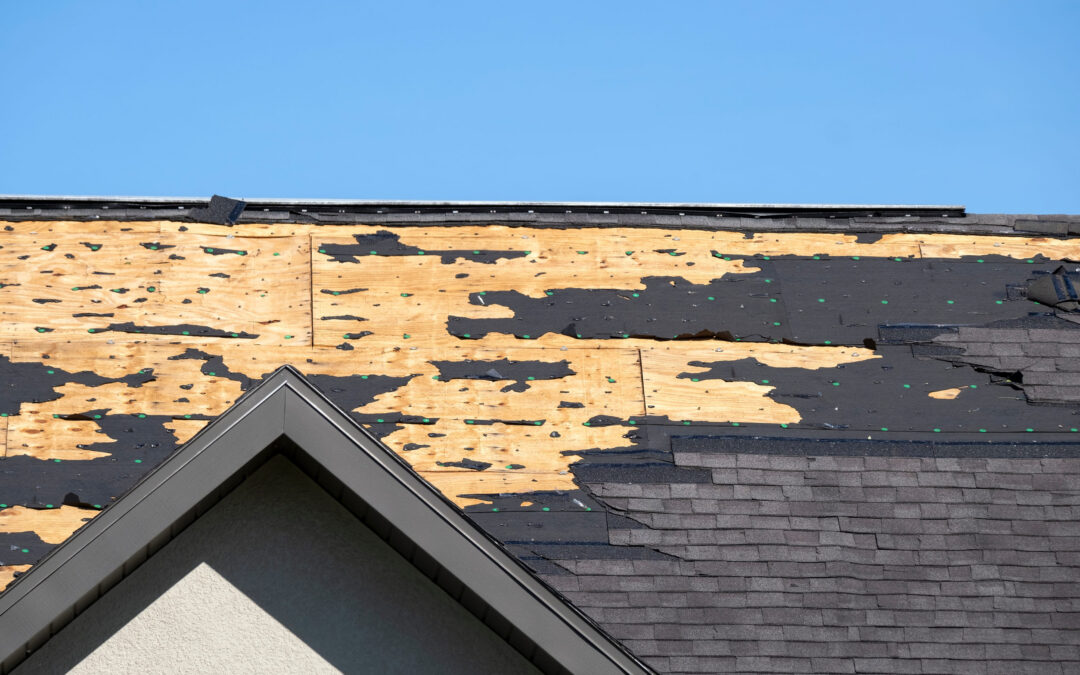
Wind Damage
Central Minnesota experiences strong winds throughout the year. High winds can:
- Lift shingles
- Remove shingles
- Damage flashing
- Expose underlayment
- Allow water intrusion
If a severe windstorm causes sudden roof damage, homeowners insurance may help cover repair or replacement costs depending on your policy.
Hail Damage
Hail is one of the leading causes of roofing claims across Minnesota.
Even small hailstones can damage asphalt shingles by removing protective granules or creating fractures that shorten the roof’s lifespan.
Larger hail may cause:
- Cracked shingles
- Dented metal flashing
- Damaged vents
- Broken skylights
- Compromised roofing systems
Because hail damage is not always visible from the ground, professional roof inspections are often recommended following significant storms.
Falling Trees and Branches
Storms, heavy snow, and high winds may cause trees or limbs to fall onto your roof.
Depending on the circumstances, insurance may cover damage to:
- Roofing materials
- Roof decking
- Gutters
- Fascia
- Structural framing
- Interior water damage resulting from the impact
Removing overhanging branches before severe weather can reduce this risk.
Fire Damage
Fire-related roof damage is generally covered under standard homeowners insurance policies.
Coverage often includes repairs to both the roofing materials and other affected portions of the home’s structure.
Roof Damage That May Not Be Covered
Not every roofing issue qualifies as an insurance claim.
Many policies exclude damage resulting from normal wear, aging, or lack of maintenance.
Examples often include:
- Old roofing materials reaching the end of their lifespan
- Gradual deterioration
- Neglected repairs
- Improper installation
- Mold caused by long-term leaks
- Damage resulting from poor maintenance
Insurance is generally intended to protect against unexpected events—not routine maintenance or predictable aging.
Age Can Affect Your Coverage
The age of your roof may influence how insurance companies handle claims.
Some insurers offer replacement cost coverage for newer roofs but switch to actual cash value coverage once a roof reaches a certain age.
Actual cash value factors in depreciation, meaning reimbursement may be lower than the full replacement cost.
Understanding your policy before damage occurs can help eliminate surprises during the claims process.
Replacement Cost vs. Actual Cash Value
Many homeowners aren’t familiar with these two important insurance terms.
Replacement Cost
Replacement cost coverage generally helps pay to replace damaged roofing materials with comparable new materials, subject to your deductible and policy limits.
This type of coverage usually provides greater financial protection.
Actual Cash Value
Actual cash value considers depreciation.
If your roof is older, the insurance company may calculate its current value rather than the cost of installing a new roof.
The homeowner is often responsible for paying the remaining difference.
What To Do After Storm Damage
If you believe your roof has been damaged after severe weather, acting promptly can help prevent additional problems.
A typical process includes:
1. Stay Safe
Avoid climbing onto the roof after a storm.
Hidden structural damage or slippery surfaces may create safety hazards.
2. Document Visible Damage
Take photographs of:
- Missing shingles
- Fallen tree limbs
- Damaged gutters
- Water stains
- Debris around the home
Documentation can be helpful during the insurance process.
3. Prevent Additional Damage
If safe to do so, temporary measures may help prevent further water intrusion until permanent repairs can be completed.
4. Schedule a Professional Roof Inspection
Professional inspections often identify damage that homeowners cannot safely see from the ground.
A comprehensive inspection may evaluate:
- Shingles
- Flashing
- Roof decking
- Ventilation
- Gutters
- Storm-related impacts
- Hidden moisture intrusion
Thorough documentation also provides homeowners with a better understanding of the roof’s condition. Schyma Exteriors offers roofing inspections, repairs, replacements, seamless gutters, and exterior services throughout Central Minnesota.
Should You File an Insurance Claim?
Not every roof issue requires an insurance claim.
Homeowners may wish to consider:
- The estimated repair cost
- Their deductible
- The cause of the damage
- The extent of the damage
- Whether additional damage may develop
A professional inspection can often help determine whether storm damage appears significant enough to justify contacting your insurance provider.
The Importance of Regular Roof Maintenance
Routine maintenance may not prevent every storm-related problem, but it can reduce the likelihood of costly repairs.
Helpful maintenance practices include:
- Cleaning gutters twice each year
- Trimming overhanging tree branches
- Inspecting shingles after storms
- Watching for loose flashing
- Checking attic ventilation
- Scheduling periodic roof inspections
Regular maintenance also helps identify minor issues before they become major concerns.
Common Warning Signs You Shouldn’t Ignore
Whether or not you intend to file an insurance claim, these warning signs deserve prompt attention:
- Missing shingles
- Curling shingles
- Granules collecting in gutters
- Water stains on ceilings
- Leaks after heavy rain
- Sagging gutters
- Damaged flashing
- Moss or algae growth
- Fallen branches on the roof
- Interior attic moisture
Early detection often helps reduce repair costs and protects your home’s structural integrity.
Minnesota Weather Makes Roof Protection Essential
Minnesota homeowners experience some of the country’s most demanding weather conditions.
Throughout the year, roofs may encounter:
- Heavy snowfall
- Ice dams
- Freeze-thaw cycles
- Strong winds
- Large hail
- Heavy rain
- Falling tree limbs
These conditions make regular inspections especially valuable after major storms.
The National Weather Service encourages homeowners to inspect their property following severe weather events and address damage promptly to reduce additional risks.
Working With Experienced Roofing Professionals
After storm damage, homeowners often benefit from working with experienced roofing professionals who understand Minnesota’s climate and can accurately evaluate roofing systems.
A thorough inspection can help identify both visible and hidden damage while providing clear documentation of the roof’s condition.
Schyma Exteriors is a locally owned contractor serving homeowners throughout Central Minnesota with residential roofing, seamless gutters, siding, storm restoration, and concrete services. As a CertainTeed ShingleMaster™ certified contractor, the company installs quality roofing systems backed by strong manufacturer warranties and emphasizes professional workmanship and customer service.
Final Thoughts
Roof damage is stressful, but understanding how homeowners insurance typically works can make the process less overwhelming. While many policies cover sudden events such as hail, wind, and falling trees, they generally do not cover damage caused by aging, neglect, or routine wear and tear.
The best approach is to maintain your roof regularly, schedule inspections after significant storms, and review your insurance policy so you understand your coverage before damage occurs. By combining proactive maintenance with quality roofing care, homeowners can better protect one of their most valuable investments.
Contact Schyma Exteriors
Schyma Exteriors proudly provides roofing, siding, seamless gutter, storm restoration, and concrete services throughout Central Minnesota.
Schyma Exteriors
38542 48th St. NE
Foley, MN 56329
Phone: (320) 248-2406
Email: schyma7@gmail.com
Recent Comments