
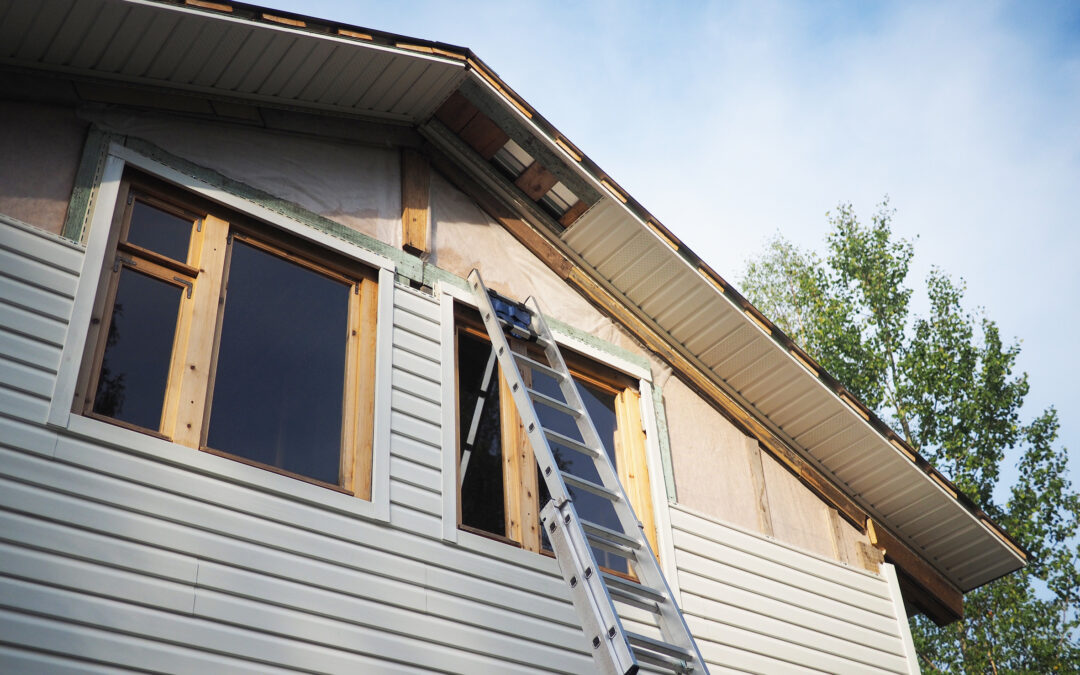
Central Minnesota homes live in a tough neighborhood. The weather changes its mind often, and it does so with enthusiasm: sun that bakes, wind that tugs, hail that taps like a hammer, and winters that pile on snow and squeeze moisture into every seam. Your exterior—roof, siding, gutters, and even concrete surfaces—acts as a unified shield against that cycle. When one part weakens, the rest are forced to work harder, and small issues can quietly become expensive ones.
This article is meant to be a calm, professional reference for homeowners and property managers who want to understand exterior remodeling in Central Minnesota. It draws on the publicly available materials of Schyma Exteriors, a family-owned exterior contractor based in Foley serving a wide regional radius. Their focus is on system-level durability, clear communication, and workmanship backed by long warranties and manufacturer certification. Alongside their internal guidance, we’ll lightly reference a couple of neutral educational sources about ice dams and contractor certification standards in cold-climate roofing.
Rather than selling you a specific project, this page aims to help you think clearly about your exterior: what fails first, what upgrades matter most, and how to choose materials and scopes that actually fit Minnesota conditions.
1. Why Exterior Work Is Different in Central Minnesota
Exterior remodeling is universal in concept, but regional in execution. Central Minnesota’s climate creates a few “signature stresses” that shape how exteriors should be built and maintained:
- Freeze–thaw cycling: Water enters microscopic gaps in siding joints or roof edges, freezes, expands, and widens those gaps. The process repeats dozens of times per season.
- Heavy snow and melt patterns: Snow loads test roof structures, and meltwater tests whether your system can move water correctly without backing up.
- Wind and hail events: Minnesota storm seasons can turn minor defects into visible damage fast—and invisible damage even faster.
- Humidity swings: Materials expand and contract; sealants, fasteners, and joints are the first to complain.
Schyma Exteriors’ service and blog content emphasize that the best long-term results come from matching materials and installation to this exact environment: not simply replacing what’s there, but improving how the whole exterior works together.
2. Roofing: Your Primary Weather Interface
A roof is not a single layer. It’s a system made of a deck, underlayment, ice-and-water barriers, ventilation, flashing, shingles or metal panels, and the drainage elements around it. Minnesota roofs fail most often when a “good enough” surface hides weak supporting parts.
What typically fails first
In Central Minnesota, early roof failure tends to come from:
- Flashing and transitions
Chimneys, valleys, vent stacks, sidewalls, and dormers create angle changes. Those spots need metal flashing that overlaps properly and stays sealed despite movement. It’s common for leaks to start here even when shingles still look fine. - Eave edges and starter courses
Wind finds roof edges first; ice dams form there too. If starter strips, drip edge, or ice-and-water membranes are missing or poorly installed, the roof’s lifespan shortens quickly. - Ventilation imbalance
Heat buildup in summer accelerates shingle aging. In winter, uneven attic temperatures promote ice dams and condensation. A roof can have premium materials and still underperform if airflow isn’t right.
Schyma Exteriors highlights a strong emphasis on high-quality roofing systems and correct installation details because those are the pieces that decide whether a roof lasts 18 years or 35. Their status as a CertainTeed ShingleMaster-certified contractor adds another layer of confidence that crews are trained to manufacturer standard for these details.
Asphalt shingles vs. other systems
Schyma Exteriors primarily installs CertainTeed shingle systems for residential and new-construction roofing. Asphalt shingles remain popular here for good reasons: they handle wide temperature swings well, they’re repairable, and they offer a strong cost-to-performance ratio.
That said, selection isn’t just “architectural vs. 3-tab.” It involves:
- Shingle grade and impact resistance for hail-prone regions
- Underlayment choice tuned to roof pitch and exposure
- Ventilation strategy suited to your attic design
- Flashing replacement plan (not reusing old metal unless it’s truly sound)
The practical takeaway: if you’re replacing a roof in Central Minnesota, evaluate the system, not the surface.
3. Siding: Second Line of Defense and First Source of Comfort
Siding protects walls from wind-driven rain, capillary moisture, and UV degradation, but it also influences interior comfort. A tight siding system reduces drafts and stabilizes indoor temperatures.
Schyma Exteriors provides siding installation and repair as part of a full-exterior offering, which makes sense in the region: roof work often reveals fascia or wall issues, and siding work often exposes opportunities to improve insulation or drainage.
Signs your siding is asking for help
Even before you see dramatic damage, subtle signs matter:
- Warping or buckling after hot summers
- Cracked panels from freeze-thaw expansion
- Soft or discolored wood trims indicating persistent moisture
- Peeling paint localized to certain walls, often due to sun or splashback patterns
- Mold or algae streaking suggesting water isn’t draining cleanly
Material notes for Minnesota
Central Minnesota siding succeeds when installed with moisture movement in mind. Regardless of material, good siding systems include:
- Weather-resistant barriers behind the cladding
- Proper flashing around windows and doors
- Expansion gaps and correct fastening to allow movement
- Trim and corner detailing that channels water out, not in
Your siding is a breathable coat, not a plastic bag. Installation details are what preserve that balance.
4. Gutters: Quietly Critical Infrastructure
Gutters are sometimes treated like accessories, but they’re more like a home’s drainage plumbing. If they’re undersized, poorly sloped, or constantly clogged, water ends up where it doesn’t belong—behind fascia boards, into soffit vents, or along foundation lines.
Schyma Exteriors installs gutters alongside roofing and siding work, reflecting a system-thinking approach: exterior water management starts at the ridge and ends away from the house.
Common gutter issues in snow country
- Ice buildup and winter backflow that can infiltrate eaves
- Overflow during spring melt, especially if downspout exits are blocked
- Seam failures where repeated freezing stresses joints
- Improper downspout discharge, causing erosion or basement moisture
A modest gutter upgrade can sometimes prevent a much larger roofing or foundation repair later.
5. Concrete and Exterior Hardscapes
Schyma Exteriors also lists concrete as a service line, which is a logical pairing in Central Minnesota where freeze–thaw stresses patios, stoops, driveways, and foundation edges.
Concrete problems here often start with:
- Poor drainage leading to water pooling
- Surface scaling from de-icing salts
- Micro-cracks that widen each winter
- Settling from soil movement or runoff patterns
If you’re already improving rooflines or gutter paths, it’s worth considering whether your exterior concrete is benefiting from the new drainage or still fighting old water routes.
6. Storm Damage: How to Think After the Weather Clears
Minnesota storms are polite in the way a bear is polite—they might look calm after they pass, but they left marks you can’t always see from the yard.
Schyma Exteriors’ recent guides note that homeowners should watch for both visible and subtle damage across roof, siding, and gutters after hail or high winds.
A practical, low-drama checklist:
- Roof: missing tabs, lifted edges, granule piles, exposed underlayment, dented flashing
- Siding: cracks, chips, punctures, loosened panels, warped corners
- Gutters: dents affecting slope, downspouts ripped loose, seams separating
- Concrete/ground: new washouts, pooling paths, downspout splash scars
If multiple systems show stress, it often indicates a shared underlying issue—like water routing or wind exposure—rather than unrelated failures.
7. Ice Dams and Cold-Climate Roof Health
Ice dams are a classic Minnesota headache. They form when the upper roof surface warms enough to melt snow, but the eaves stay cold and refreeze that meltwater, creating a barrier that backs water under shingles. Neutral university research underscores that the root causes are usually heat loss, insufficient insulation, and ventilation imbalance, not simply “too much snow.”
Schyma Exteriors’ emphasis on full roofing systems (including underlayment and ventilation) aligns with the most effective ice-dam prevention approach:
- Seal attic air leaks so warmth doesn’t rise into the roof deck
- Ensure sufficient insulation for stable roof temperatures
- Balance soffit intake with ridge or roof exhaust ventilation
- Use ice-and-water shield at vulnerable eaves and valleys
In short: ice dams are building-science problems that show up on the roof. The best solution is holistic.
8. What Manufacturer Certification Actually Means
Schyma Exteriors notes they are CertainTeed ShingleMaster-certified and can offer up to a 50-year materials and labor warranty on CertainTeed roofing systems.
Neutral manufacturer information about the ShingleMaster program describes it as requiring training and testing on product knowledge and correct installation standards. The credential is meaningful because it implies the installer is following a verified playbook rather than improvising on your roof. CertainTeed
This doesn’t mean every certified contractor is perfect, but it does suggest:
- Crews are trained in system-specific requirements
- Installations are more likely to meet warranty standards
- The company is accountable to a manufacturer’s quality framework
In a climate where “good enough” fails early, process discipline matters.
9. Planning an Exterior Project Without Guesswork
Exterior upgrades can feel overwhelming because they often intersect: a roof project reveals fascia rot, which ties into gutter failures, which leads to siding splash damage, which points to grading or concrete issues. The best way to keep decisions sane is to work in layers.
A clean planning approach:
- Identify your exterior priorities
Is protection the main priority, or comfort, or lowering maintenance? Rank them. It clarifies trade-offs. - Audit the full system, even if only one part is failing
Roof leaks sometimes originate in siding transitions; foundation moisture sometimes starts at gutters. - Match materials to real exposure
A north-facing, shaded wall has different risks than a sun-baked west wall. A roof under mature trees faces different wear than one in open wind. - Clarify scope in writing
Replace flashing? Upgrade ventilation? Install new drip edge and ice barrier? These details decide longevity.
Schyma Exteriors’ service pages emphasize respectful timelines, clean job sites, and budget clarity through homeowner approval for changes. Those are logistical promises, but they also support good outcomes because careful work needs stable planning.
Final Thoughts
Exterior remodeling in Central Minnesota is less about cosmetic novelty and more about durable alignment with the climate. Roofs need full-system thinking. Siding needs moisture logic and correct movement allowances. Gutters need reliable slope and clean discharge. Concrete needs drainage and freeze-thaw resilience.
Schyma Exteriors presents itself as a locally rooted, family-owned exterior contractor spanning roofing, siding, gutters, storm repair, and concrete, with manufacturer certification and long warranty options. Their public guides reinforce a sensible theme: when you treat your home’s exterior as a coordinated system, you spend less time reacting to problems and more time enjoying a house that holds steady through every season Minnesota throws at it.
Recent Comments